
Sundarban Village Life in Rainy Season – A Monsoon Story from My Home

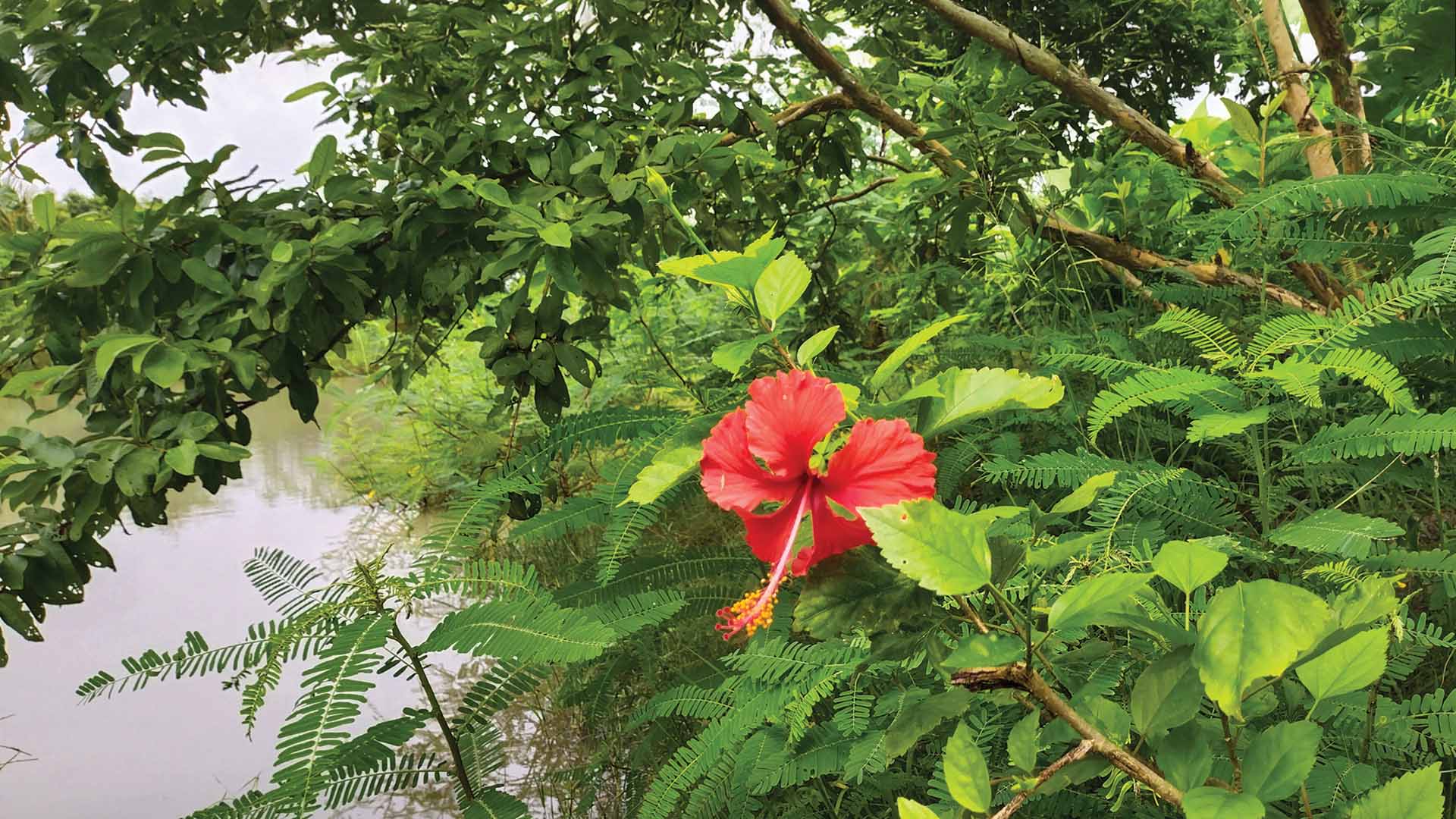
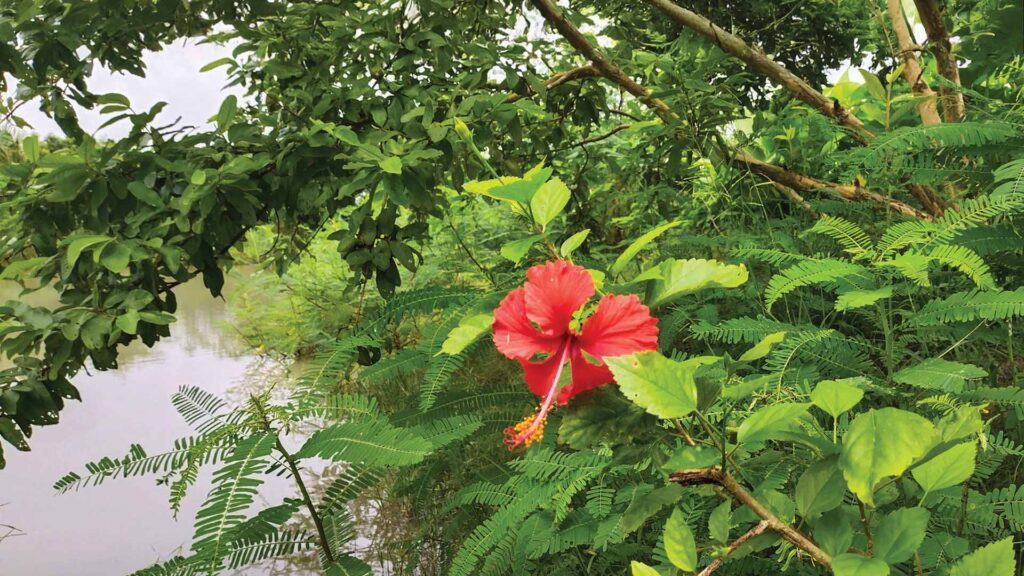
Red hibiscus flower blooming among green foliage beside a pond in a Sundarban village during the rainy season.

The Magic of Monsoon in Sundarban

The rainy season in my Sundarban village is like poetry written by nature itself. When the first drops of monsoon rain touch the thirsty earth, the air fills with the fresh, earthy scent of wet soil. The dirt roads, once dusty under the summer sun, now turn into soft muddy paths, making each step a slow, careful journey. And yet, these muddy roads hold the charm of rural life, connecting homes, fields, and ferry ghats.

Fields Dressed in Green

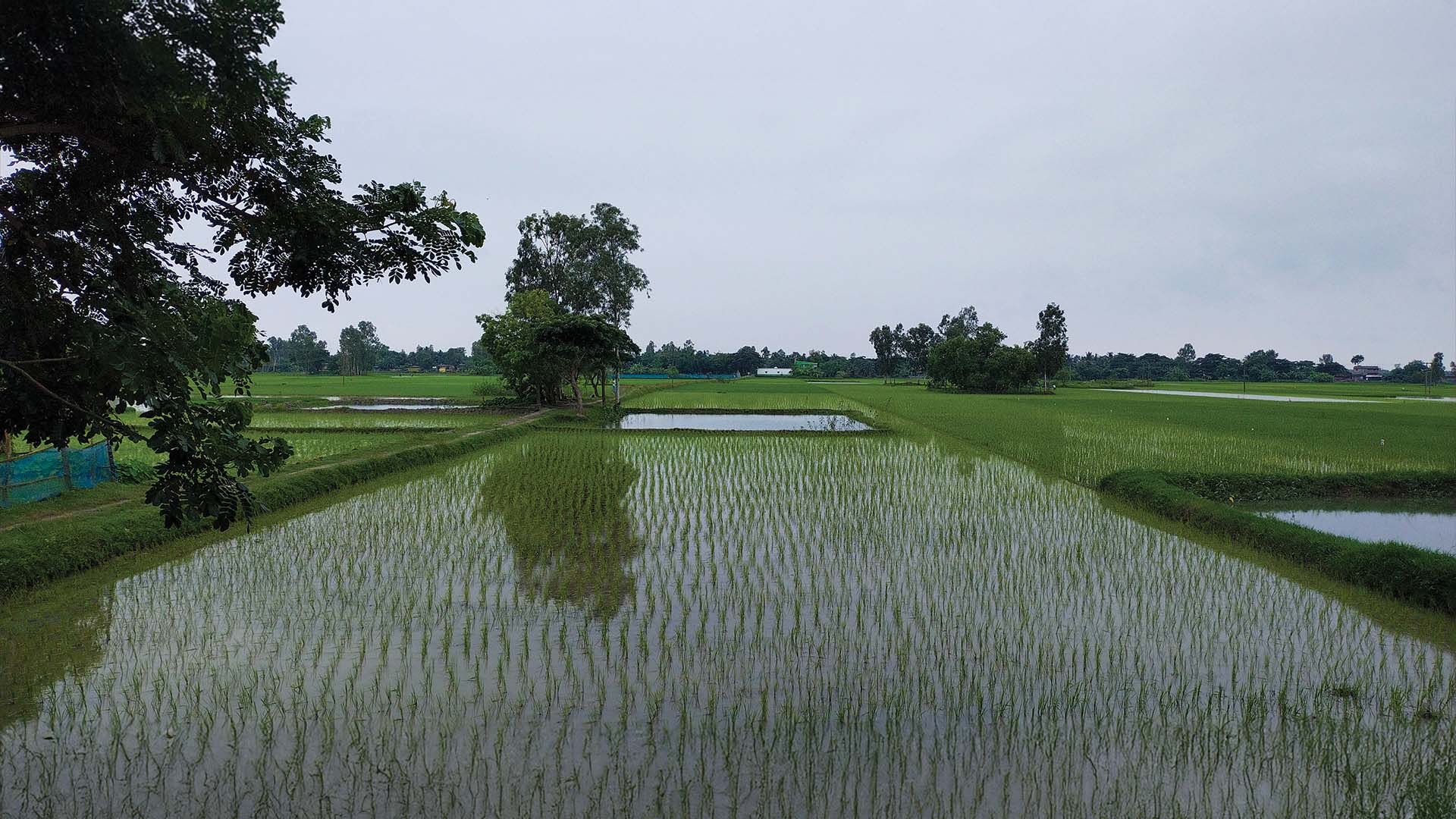
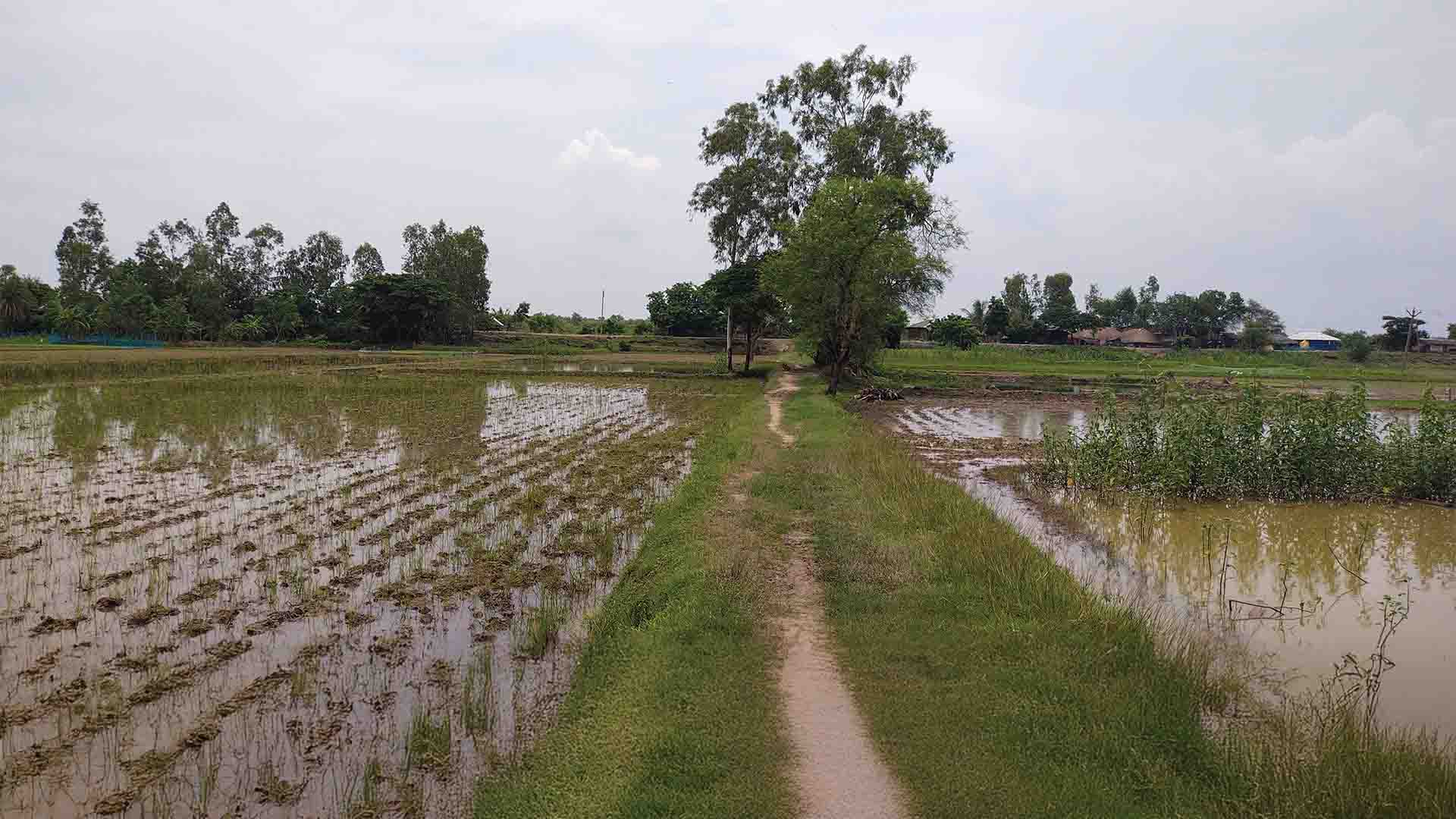
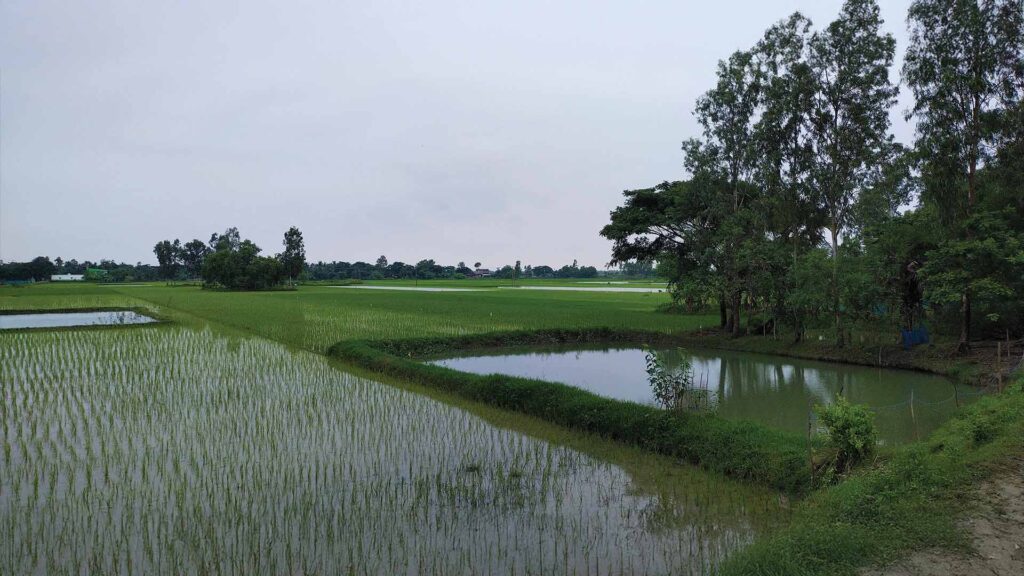
Across the horizon, the paddy fields wear their brightest green dresses. Farmers work tirelessly, knee-deep in water, planting rice seedlings with rhythmic precision. The small ponds and canals overflow with rainwater, and fish swim freely in the freshly filled waters. Even the old brick walls and bamboo fences seem alive, wrapped in the lush greenery of the season.

Life Slows Down, but Fills with Meaning

During the rainy season in a Sundarbans village, life slows down but also becomes full of unique, meaningful activities. Here’s what we do — both for daily living and for enjoying the season:

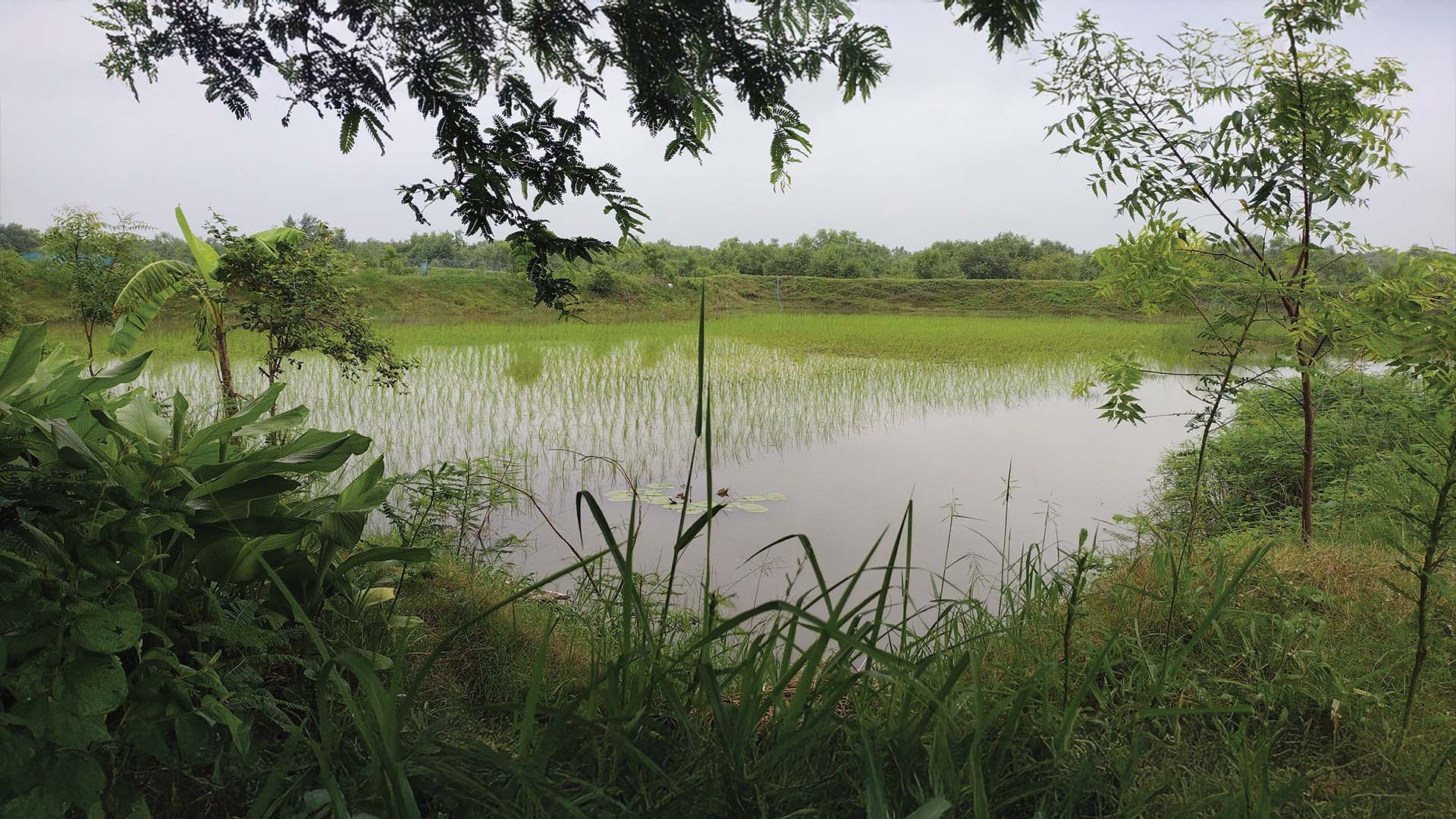
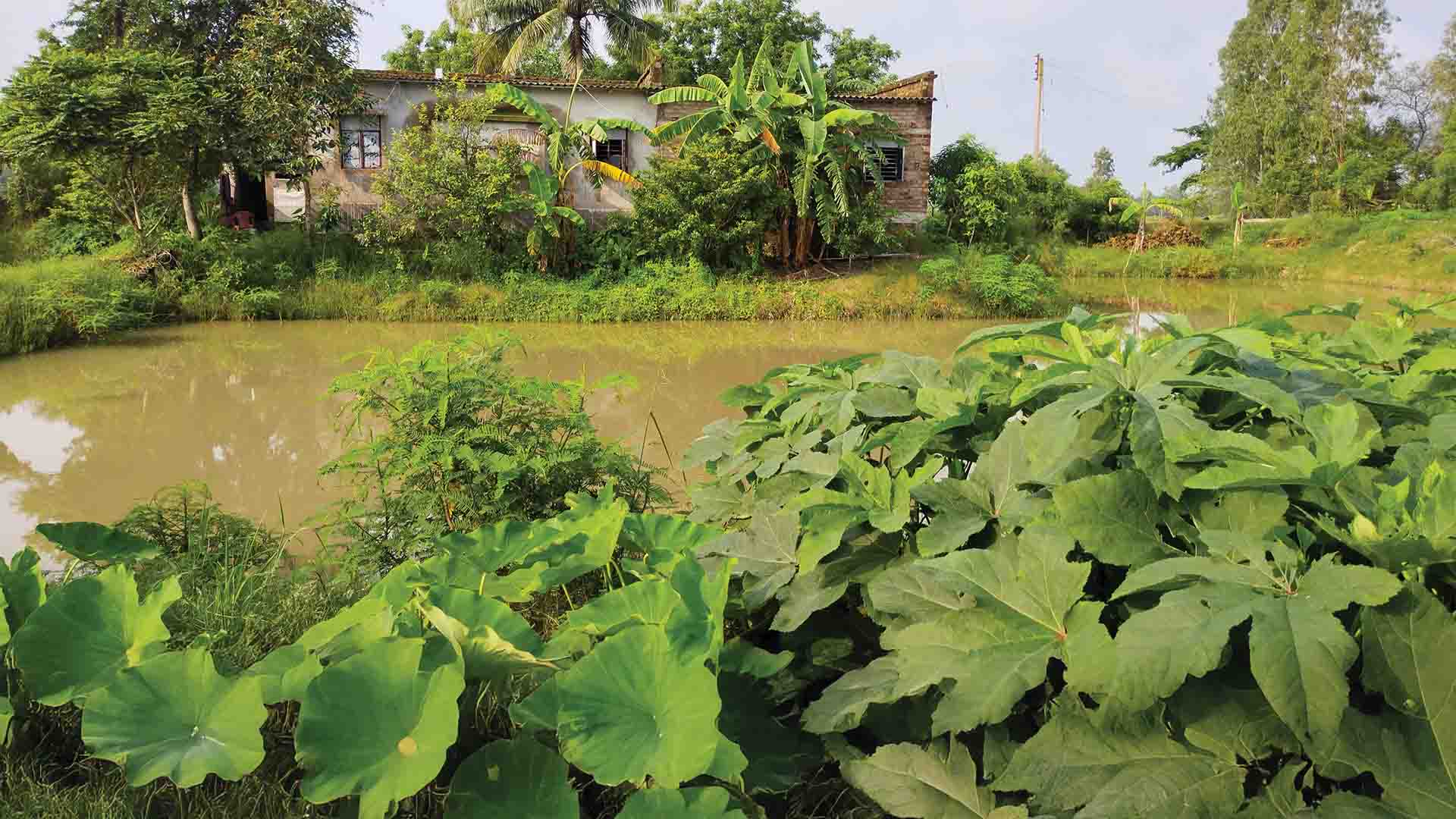
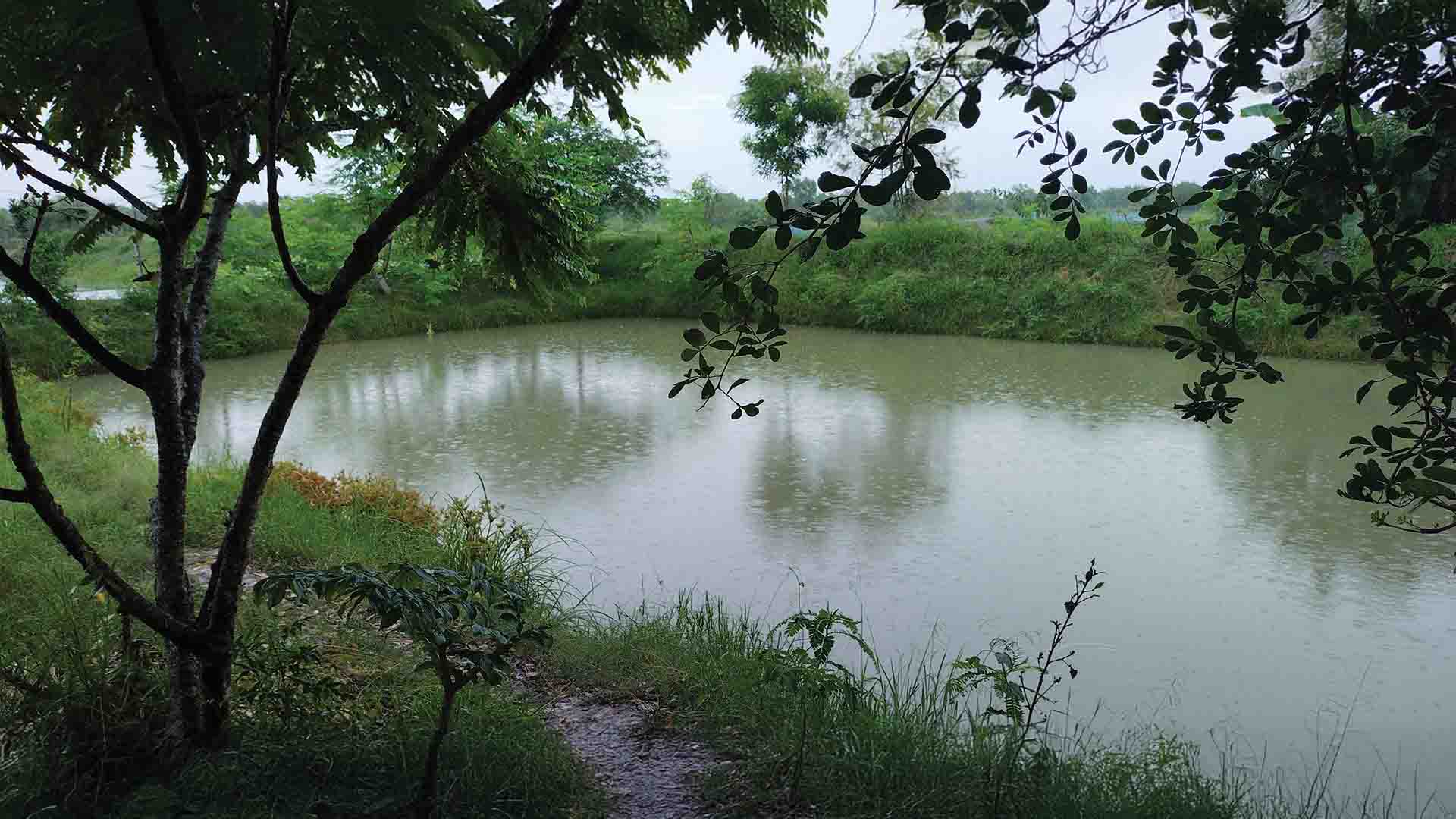
Green paddy fields and a small pond surrounded by trees in a Sundarban village during the rainy season.
Muddy village road lined with green trees, small houses, and an old brick structure in a Sundarban village during the rainy season.

🌧 Rainy Season Activities in a Sundarbans Village

1️⃣ Fishing & Aquatic Harvesting

  • Catch fish in ponds & canals using bamboo traps (bana), nets (jal), or even traditional cloth fishing.
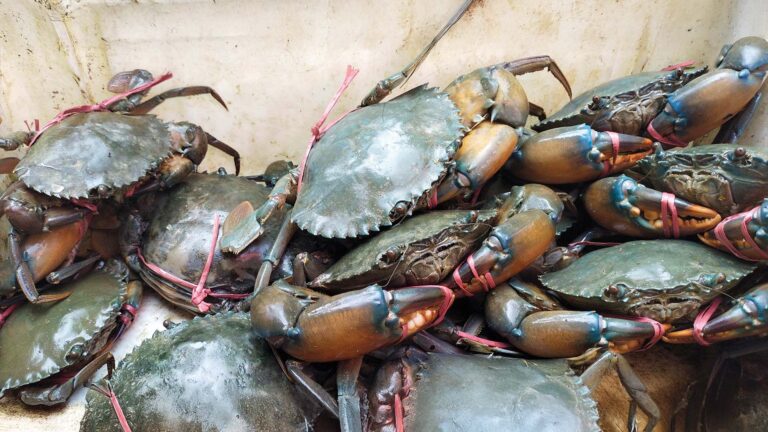
  • Collect mud crabs & prawns found near mangrove roots and shallow waters.
  • Help in community fishing, where villagers join together to catch fish in large flooded fields.

2️⃣ Farming & Gardening

  • Plant monsoon crops like paddy, ridge gourd, pumpkin, and leafy greens.
  • Tend to betel leaf (paan) farms where the rainy season is crucial for care.
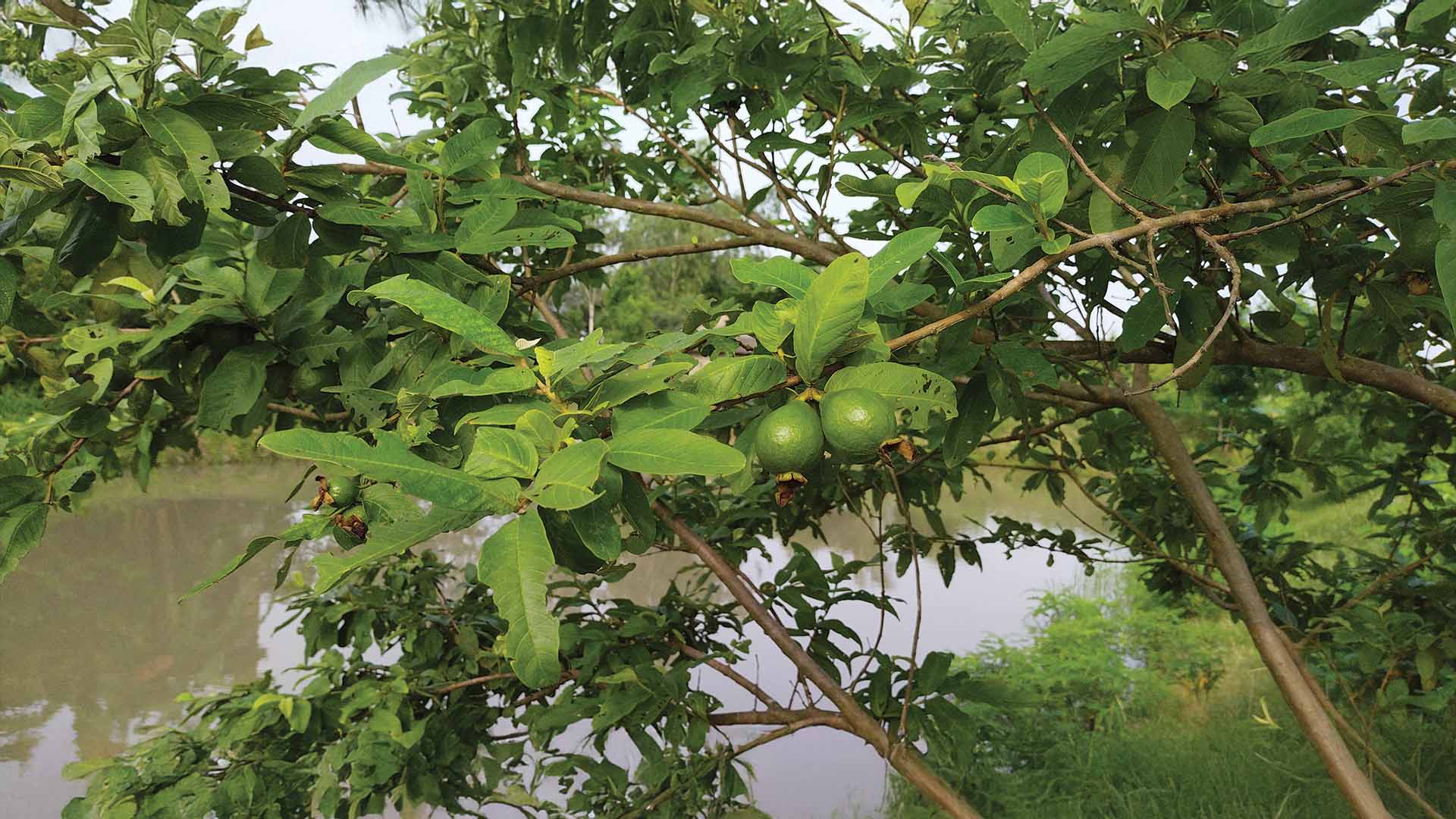
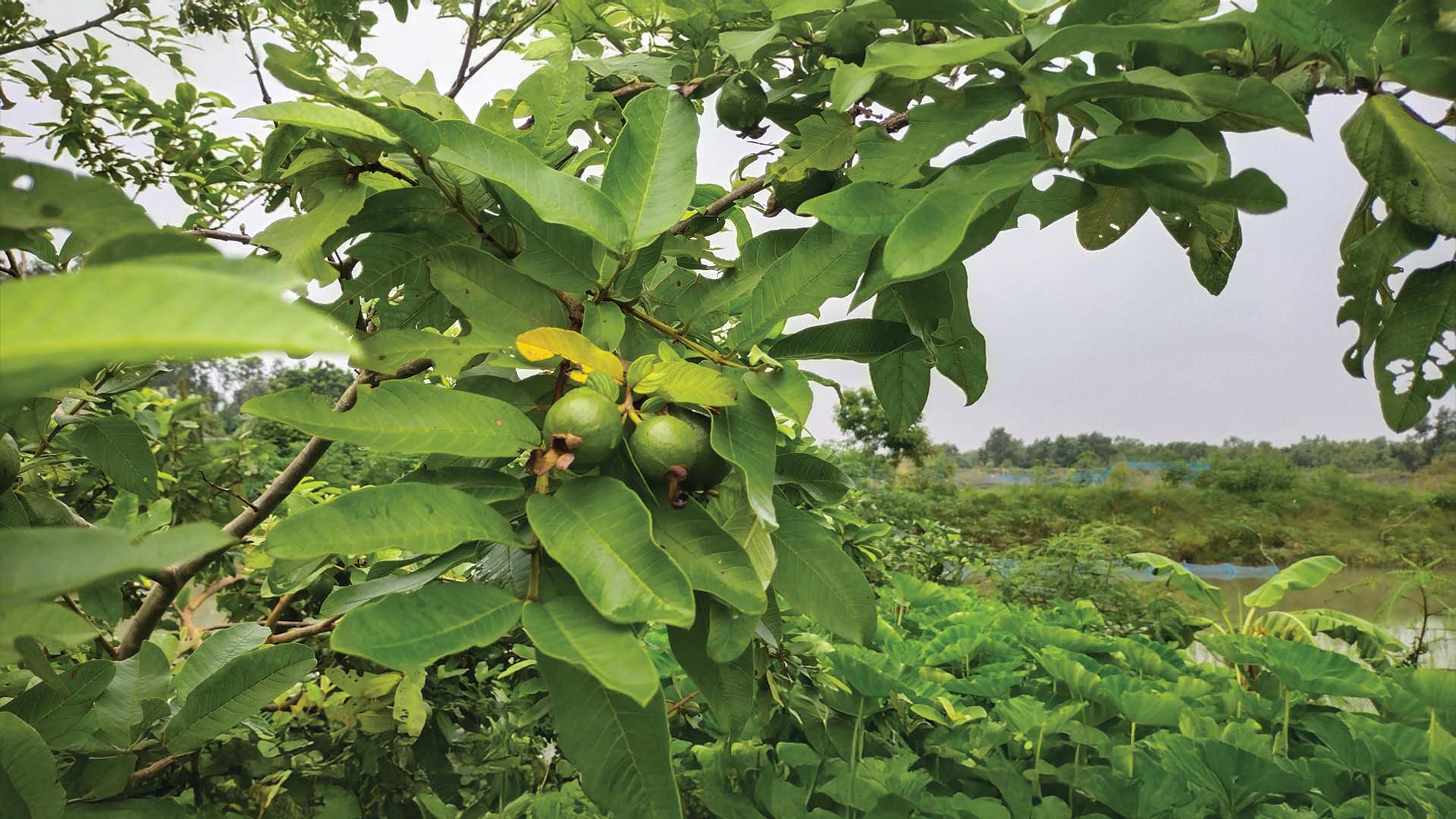
  • Check fruit trees — guava, mango saplings, and papaya thrive after rains.

3️⃣ Home & Cultural Activities

  • Cook rainy-day specials like ilish maach, hot pakoras, puffed rice (muri) with tea, and pithas.
  • Make handicrafts — mats, fishing nets, and baskets from hogla or bamboo.
  • Sing folk songs like Bhatiyali or Baul music while sitting indoors, listening to the rain.

4️⃣ Nature & Exploration

  • Walk along muddy paths lined with lush greenery.
  • Watch kingfishers, herons, and egrets that are more active during monsoon.
  • Enjoy the river view at the ghat when the water level rises, watching ferries and boats go by.

5️⃣ Community & Social Life

  • Help neighbours repair homes or boats, strengthening community bonds.
  • Attend local tea stall gatherings for rainy-day gossip.
  • Listen to elders’ storytelling about storms, tigers, and mangrove legends.
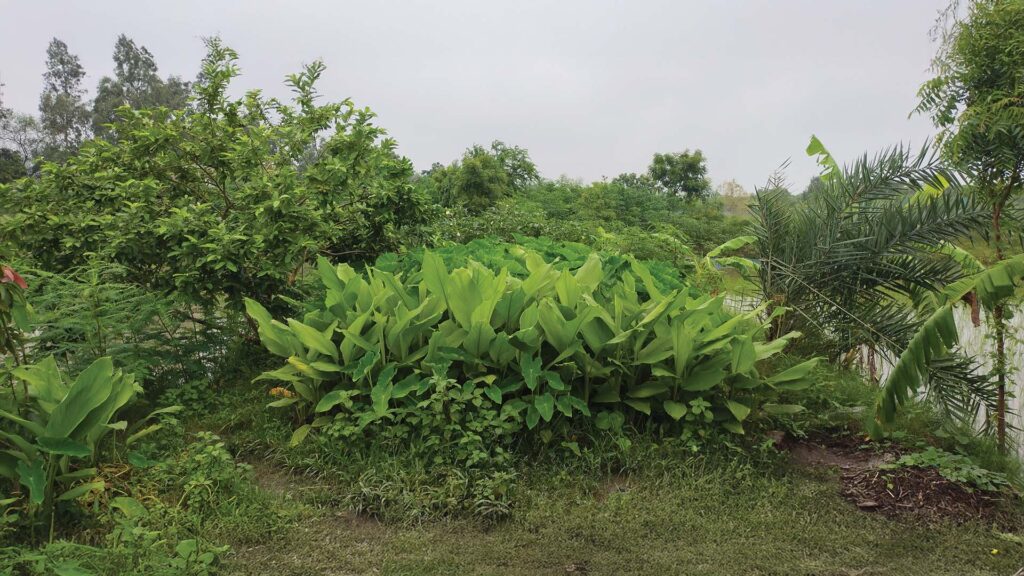
Lush green garden in a Sundarban village featuring turmeric plants, guava trees, banana plants, and palm trees during the monsoon.

🌱 Rainy Season Plantation in Sundarbans Village

Monsoon is the perfect time for planting because the soil stays moist and helps roots grow faster. In our village, we grow a mix of food crops, fruits, and protective trees.

1️⃣ Fruit Trees

  • Guava, mango, banana, papaya, coconut, and date palm.

2️⃣ Vegetables & Leafy Greens

  • Ridge gourd, bottle gourd, pumpkin, spinach, amaranth, and ladies finger (okra).

3️⃣ Paddy & Field Crops

  • Aman paddy — the heart of monsoon farming in Sundarban.
  • Jute in early monsoon areas.

4️⃣ Spices & Medicinal Plants

  • Turmeric, ginger, and sacred tulsi.

5️⃣ Trees for Shade & Wood

  • Neem, sishu tree, and mangrove saplings to protect against erosion.

💡 Local Tip: Many villagers plant banana, papaya, and turmeric together to save space and shield plants from strong monsoon winds.

The Bond with Nature

Life here is deeply tied to nature’s rhythm. Every monsoon, the cycle of planting, nurturing, and harvesting begins again. The fields are not just farmland—they are our pride, our source of life, and a reflection of the timeless bond between people and the land.

As the rain pours and the rivers swell, I am reminded of a line that lives in every Bengali heart:
“আমার সোনার বাংলা, আমি তোমায় ভালোবাসি” – My golden Bengal, I love you.

Leave a Comment

Your email address will not be published. Required fields are marked *

Scroll to Top